
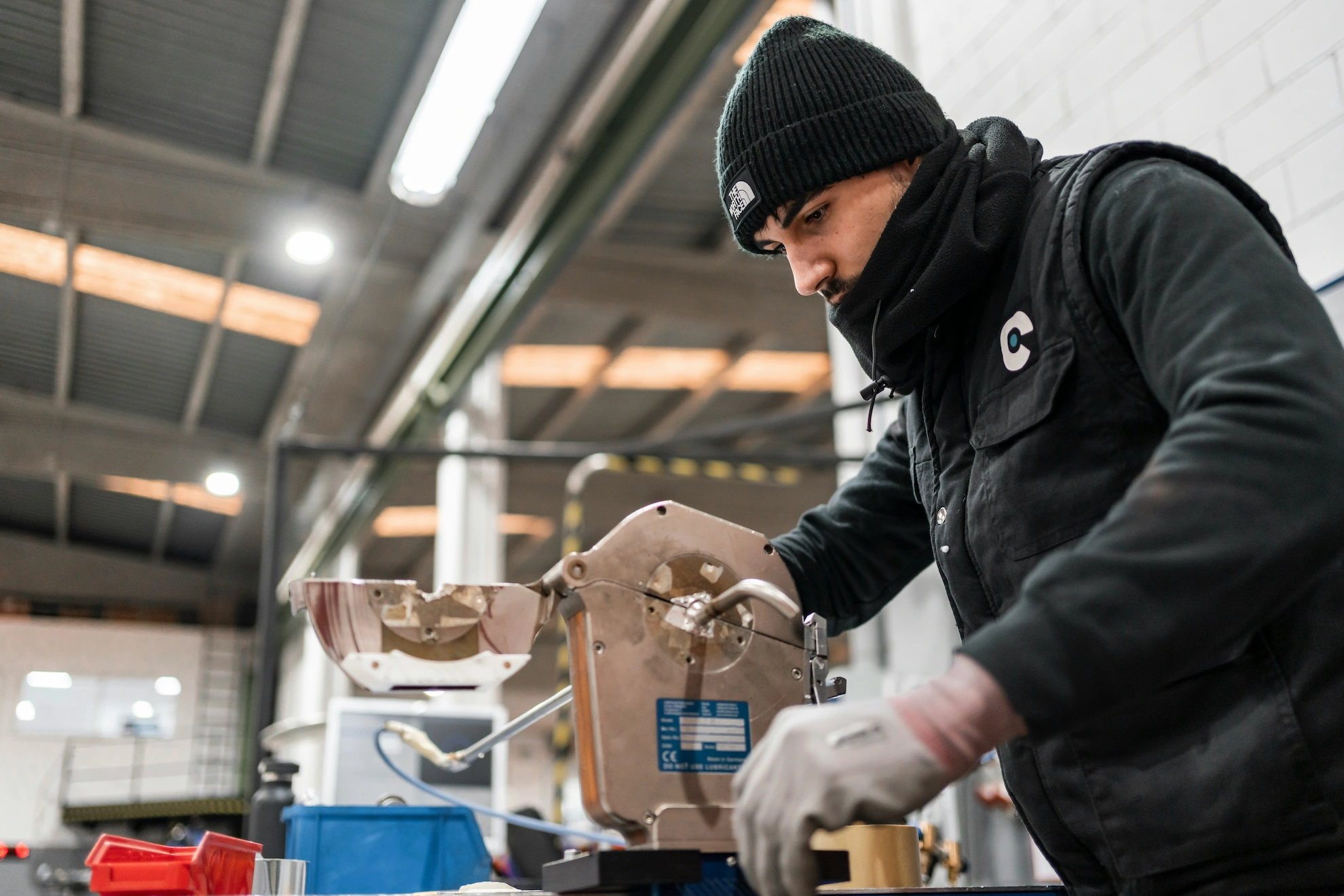
OEM assembly and stamping plants are tough cleaning environments because the residue is rarely simple. Oils, lubricants, metal fines, floor grime, transfer buildup, and overspray can all accumulate at once—and each one affects both cleanliness and operations. In these facilities, cleaning is not a cosmetic task. It is part of safety, process stability, equipment protection, and cost control.
If a manufacturing team is evaluating cleaners for shop floors, parts areas, assembly lanes, or high-soil equipment zones, here is how to structure the decision so the chemistry supports production instead of simply adding another maintenance variable.
Manufacturing soils are layered. A floor may have light oil transfer in one section, heavy lubricant accumulation near a process, fine particulate near stamping, and dust or foot traffic in shared aisles. Cleaning programs fail when they treat all of those as the same problem.
That is why the best OEM cleaning strategy usually separates daily floor care from targeted degreasing, surface-sensitive cleaning, and maintenance-area cleanup. The goal is to remove contamination efficiently without creating compatibility issues, excess downtime, or unnecessary handling risk for staff.
These are the dominant soils in many manufacturing facilities. Whether the source is stamping oil, assembly lubricant, hydraulic seepage, or transfer from tools and parts, these residues can spread quickly and create safety issues on the floor as well as contamination issues on equipment exteriors and work surfaces.
Fine metal particles behave differently than liquid soils. They can mix with lubricants, settle into textured surfaces, and create a stubborn paste-like buildup in certain zones. A cleaner that only breaks loose oil may not be enough if particulate suspension and rinsability are weak.
Aisles and traffic lanes often carry a blended soil load: oil, dust, rubber transfer, debris, and moisture. In these areas, the right chemistry must clean effectively without leaving behind a film that attracts more soil or interferes with traction.
Equipment exteriors, guarding, carts, and shared hard surfaces often collect a lighter but more persistent layer of contamination. Those areas may need a product with strong detergency but better surface sensitivity than the chemistry used for heaviest floor soils.
A manufacturing cleaner needs enough power to break up oils and residue quickly, but stronger is not automatically better. Overly aggressive chemistry can create handling concerns, surface issues, or unnecessary cost if the site is using it where a more balanced product would perform well.
This is especially important in facilities that work with aluminum, coated components, softer metals, or appearance-sensitive surfaces. IRC positions Optima Prime as aluminum safe by design, which makes it particularly relevant when the cleaning program needs strong performance without taking risks on metal compatibility.
Large manufacturing sites magnify small inefficiencies. If one crew is overusing product, or if the chemistry requires too many repeat passes, that cost compounds quickly. Super-concentrated products paired with controlled dispensing are often the smarter long-term choice.
A product should be evaluated based on how it will be used: manual wipe-down, floor scrubber, foaming application, pressure rinse, or targeted spot treatment. The same chemistry does not always win across all of those methods.
These are logical products to evaluate when the main issue is heavier industrial oil, grease, and difficult residue. IRC positions Stealth as a concentrated industrial degreaser/emulsifier, while Stealth Plus adds a solvent boost for tougher soils.
Optima is a strong fit to evaluate when the facility needs concentrated hard-surface cleaning power, very economical dilution, and a safer handling profile. IRC positions it as NSF-rated with an HMIS rating of 0-0-0 while maintaining a very high pH cleaning profile.
Optima Prime becomes especially important when surface compatibility matters. It as a controlled alkaline product that is safe for soft metals and particularly aluminum safe by design.
Blast-Off is relevant where the process benefits from foaming application and stronger cling time on stubborn residue. Although strongly associated with food plant use, its industry fit on IRC’s site also extends into OEM and assembly environments.
Application method shapes cleaning performance. IRC’s HydroFoamer and other dispensing systems are relevant when the facility wants better consistency, easier foaming application, or more controlled chemical mixing across departments.
A common mistake in manufacturing is using one product and one dilution for everything. But the chemistry that works on a heavy-soil floor is not always the right choice for equipment panels, carts, stainless surfaces, or component-adjacent hard surfaces.
Dividing the program into zones usually produces better results. Heavy floor buildup may need a different degreasing approach than wipe-down areas, shared touchpoints, or appearance-sensitive machine exteriors. That does not mean every facility needs a dozen SKUs. It does mean the program should reflect real differences in soil and surface conditions.
Manufacturing teams do not buy cleaners in isolation. They buy a process. OSHA’s Hazard Communication framework and broader chemical-hazards guidance both reinforce the need to understand labels, SDSs, exposure considerations, and training around workplace chemicals. In a plant environment, that matters not only for compliance, but for operator adoption and consistency.
Process reliability matters too. The right cleaning program can reduce rework, improve floor safety, protect tools and equipment exteriors, and help teams maintain cleaner line conditions with less waste. That is exactly how IRC positions its OEM page: cleaner operations, protected equipment, safer people, and lower waste.
The best cleaning solution for an OEM assembly or stamping plant is not just the strongest degreaser on the shelf. It is the program that removes oils and residue efficiently, fits the surfaces in the plant, protects people and equipment, and reduces waste over time.
For manufacturing teams ready to compare options, IRC’s OEM industry page, the degreaser collection, and an On-Site Demo are the direct next steps. For the selection criteria behind those products, start with how to choose the right industrial degreaser.
Usually one that handles mixed industrial soils efficiently without leaving residue and that fits the site’s actual floor type and cleaning method. Heavier zones may still require targeted degreasing.
Often, yes. Stamping areas may deal with more concentrated oils and metal residue, while assembly areas may need a more balanced hard-surface approach.
Because some plants clean around soft metals or aluminum parts where the wrong chemistry can create compatibility issues. IRC positions Optima Prime specifically for those concerns.
Not always. Many plants get better results by dividing the program into heavy floor care, targeted degreasing, and surface-sensitive wipe-down cleaning.
Because real performance depends on the site’s water, soils, surfaces, and cleaning process. An on-site evaluation helps prove the fit before the facility commits.